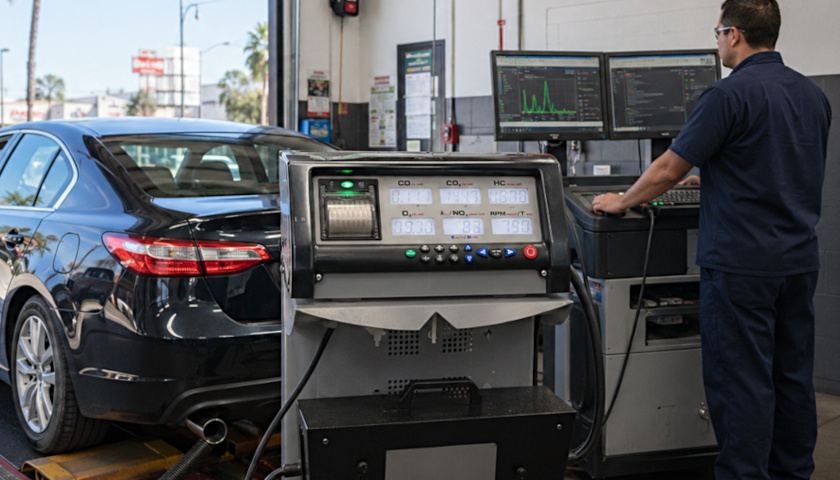
More than a decade after Diesel-Gate first rocked Volkswagen’s U.S. business and reputation in 2015, ultimately leading to criminal penalties and billions in settlements for the company, a court in the United Kingdom (UK) is weighing claims that five other automotive manufacturers, including two with Tennessee footprints, have allegedly installed systems in diesel vehicles designed to circumvent emissions regulations.
News first emerged that Volkswagen was accused of selling vehicles with software designed to skirt American emissions standards, and in 2017, Volkswagen pleaded guilty in federal court, admitting to a conspiracy to defraud the United States, engage in wire fraud, and violate the Clean Air Act. It also pleaded guilty to obstruction of justice and importing merchandise by means of false statements.
According to the U.S. Department of Justice (DOJ), “As part of the plea, VW agreed to pay a $2.8 billion penalty as a result of the company’s decade-long scheme to sell diesel vehicles containing software designed to cheat on U.S. emissions tests.” Through a combination of fines, either criminal or civil, and legal settlements, Diesel-Gate was ultimately reported to have cost Volkswagen in excess of $20 billion.
Now, a civil lawsuit filed in the UK by diesel vehicle owners accuses Ford, Nissan, Mercedes, and Renault, as well as Stellantis-owned Peugeot and Citroen, of including prohibited devices in diesel vehicles, resulting in emissions that perform better during laboratory testing than normal use.
The lawsuit claims some of the vehicles could emit as much as 12 times more nitrogen oxide (NOx) than shown in the testing, according to The Guardian. The outlet reported last year that the UK High Court, in which civil lawsuits are heard by a single judge similar to Tennessee’s chancery court system, specifically heard claims that these vehicle manufacturers used a combination of strategies including torque, air pressure, exhaust-gas recirculation, and NOx traps, potentially exceeding the engineering admitted by Volkswagen in the United States.
The trial phase of the UK lawsuit entered its final phase earlier this year, when Courthouse News Service reported that a decision is anticipated this summer. Should the High Court rule in favor of the plaintiffs, a separate damages trial will commence, which could lead to civil fines similar to those seen imposed against Volkswagen.
While the lawsuit does not appear to include allegations surrounding the companies’ vehicles manufactured in Tennessee, or elsewhere in the United States, Nissan continues to operate a headquarters in Franklin, and operations in Smyrna and Decherd, while Ford continues to expand its BlueOval City facilities.
Stellantis, the Big Three automaker formed in 2021 through the merger of Fiat Chrysler Automobiles and the PSA Group, is building a $41 million facility in neighboring Georgia.
Following the guilty plea by Volkswagen, the company reportedly planned to resell millions of its vehicles following a fix, including in Tennessee. At the time, U.S. Representative Chuck Fleischmann (R-TN-03) said his constituents were concerned about whether the vehicles would meet emissions standards once on the market in the Volunteer State.
– – –
Tom Pappert is a 2025 recipient of the Dao Prize and the lead reporter for The Tennessee Star. He also reports for the Star News Network. Follow Tom on X. Email tips to [email protected].